
Welcome to Simple Radiance Medspa, your leading destination for supervised GLP-1 weight loss in Austin. We specialize in cutting-edge medical programs featuring GLP-1 regiments, providing Austin residents with a powerful, science-backed approach to achieving significant and sustainable weight management.
Are you searching for “Ozempic weight loss near me“? Ozempic is merely a brand name for GLP-1 (Glucagon-Like Peptide-1) medications that are revolutionizing the treatment of chronic obesity. These prescription injections, which include compounds like semaglutide Austin, mimic a natural gut hormone to powerfully influence the body’s metabolism and appetite centers. However, GLP-1 is more than just appetite suppression it is a multi-faceted approach to weight loss.
Powerful Appetite Control: GLP-1 signals the brain to reduce chronic hunger and cravings, which is crucial for successful adherence to a healthy eating plan.
Extended Fullness: By slowing gastric emptying, they keep you feeling satisfied for longer, naturally leading to reduced calorie intake.
Metabolic Improvement: They enhance the body’s ability to manage blood sugar, supporting overall metabolic health.
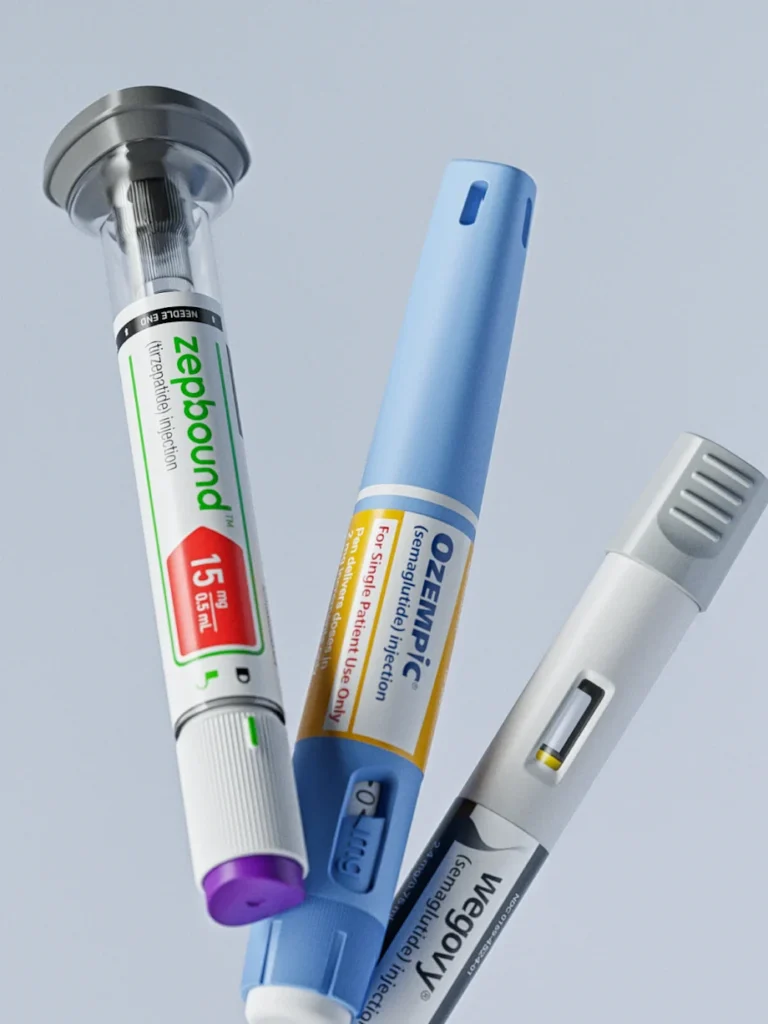
The benefits of GLP-1 medications extend far beyond simple weight loss. By treating obesity as a chronic disease and improving underlying metabolic function, these treatments offer a range of significant, clinically proven health advantages. Here are the primary benefits of GLP-1 therapy, which is part of the comprehensive medical weight loss Austin program at Simple Radiance Medspa:

Average Body Weight Reduction: Patients typically achieve 10% to 20% or more total body weight loss than diet and exercise alone
Reduced “Food Noise”: GLP-1 mimics effectively quiet the constant thoughts and cravings, making it easier to maintain a calorie deficit and support long-term habit change.

Blood Sugar Control: GLP-1s are highly effective at lowering blood sugar and improving insulin sensitivity.
Kidney Protection: By managing diabetes and hypertension, these medications slow the progression of chronic kidney disease.
Improved Liver Function: They can improve markers associated with non-alcoholic fatty liver disease closely tied to obesity.

Reduced Joint Pain: Losing significant weight reduces the physical load on joints (especially knees and hips), providing relief.
Improved Sleep Apnea: Weight loss can reduce the severity of Obstructive Sleep Apnea, often leading to better sleep quality.
Boosted Energy & Mood: Patients often report higher energy levels, improved self-esteem, and a less weight-related distress.
At Simple Radiance Medspa in Austin, TX, we understand that true wellness is holistic. Our GLP-1 weight loss program is not just about writing a prescription; it’s a comprehensive, supervised journey designed for long-term success.
Holistic Support: We integrate nutritional counseling and lifestyle recommendations, ensuring the GLP-1 weight loss Austin journey is sustainable and supports muscle mass retention.
Ongoing Monitoring: Regular follow-ups are crucial for safe and effective supervised weight loss Austin, allowing us to adjust the plan as needed.

GLP-1 medications don’t cause muscle loss, but lifestyle can. Eating too little protein or not resistance training can lead to loss of lean mass. To maintain muscle, whether you are taking GLP-1 medication or not, consume adequate protein and regularly strength train.
(Reference: Wilding et al., NEJM, 2021)
Staying on GLP-1 medication is not “forever” is not necessary. Recent studies are showing that GLP-1 usage can help restore metabolic flexibility, so you may be able to maintain your results with proper nutrition, regular exercise, and a gradual adjustment to your dose. Tapering too soon or too quickly can reverse the progress you’ve made, so be sure to plan ahead with your provider. Many people are finding that microdosing helps them to maintain their results.
For GLP-1 medication, the answer is generally yes. But, as mentioned above, tapering too quickly or stopping abruptly can lead to a reversal in the progress you have made. Consult with your provider before stopping or restarting any of your medications.
Not necessarily. We can adjust the dose you should be on based on your tolerance, progress, and goals.
(Reference: Jastreboff et al., NEJM, 2022)
Possibly. With weight loss maintenance, comes healthy lifestyle habits. If you go back to your pre-weight loss habits, then yes, you will likely regain the weight. Studies are showing that patients gain ⅔ of the weight they’ve lost if lifestyle habits such as diet and exercise are not maintained. Discuss with your provider on your tapering plan and lifestyle habits.
(Reference: Rubino et al., Diabetes Care, 2021)
Yes. Recent clinical trials (following patients for up to 68 weeks) are showing no significant long-term safety concerns. Continue working with your provider on a regular basis while taking any medication, including GLPs.
(Reference: Wilding et al., NEJM, 2021)
Some people experience nausea, constipation, or bloating. In some cases, people experience mild injection site reactions, burping, hair shedding, or dizziness. Tirzepatide may cause fewer side effects than Semaglutide. Work with your provider to navigate your concerns and possibly reduce your dose. We also recommend you increase your water, protein, and vitamin intake.
We do not recommend combining intermittent fasting with GLP medication. We recommend you instead focus on a balanced diet, full of protein rich meals and proper hydration.
(Reference: Kushner et al., Obesity, 2020)
As a general guideline, we recommend 1 gram of protein per pound of your ideal body weight. For example, if your goal weight is 135 pounds, we recommend you eat 135g or protein per day to preserve lean muscle and support your metabolism.
(Reference: Phillips & Van Loon, Nutrients, 2023)
No. Stop your medications when you plan to conceive or confirm you are pregnant and consult with your provider.
(Reference: FDA Medication Guidelines, 2024)
Yes that is possible, but it’s also a good thing. Many patients experience fewer side effects and more stable results as their bodies adapt to the medication.
Your GLP medication is likely working by reducing your appetite. Consult with your provider to review your daily diet, your nutrition and protein intake, and your activity level.
You may, especially during the first couple of weeks. Your fatigue could be related to your body adjusting to a lower calorie intake or insufficient protein. You also likely need to increase your water intake. This is why we use compounded medications that include
Vitamin B6 or Carnitine. These additions are shown to help support energy metabolism.